It’s 4:17am. The hotel room is dark, the city outside is already awake, and my body has absolutely no idea what’s going on.
I’m in Los Angeles. We landed last night after an eleven-hour flight from Tokyo, and according to my watch it’s almost lunchtime back home. According to my body, it’s the middle of the night. According to LA, it’s time to start the day.
This is the life of a long-haul pilot. And for the first few years of my career, I handled it the way most of us do — badly.

Living in the Wrong Time Zone
Flying the B787 between Japan and destinations like Los Angeles, Melbourne, and Bangkok sounds glamorous. And it is, sometimes. But the reality of long-haul flying is that your circadian rhythm takes a constant beating.
Japan is UTC+9. Los Angeles is UTC-8 in winter. That’s a 17-hour difference. When I’m lying awake in an LA hotel at what feels like 3pm Japan time, my body isn’t tired — it’s confused. And when I finally do fall asleep, I wake up four hours later, wide-eyed, with nowhere to go.
For years I tried to fight it. I’d hit the hotel gym. Go for a run. Push through the fatigue with caffeine and willpower. It kind of worked. But something felt off.
Why Running on a Layover Can Actually Make Things Worse
Here’s something they don’t teach you in ground school: the timing of exercise matters as much as the exercise itself.
When you’re in a new time zone, your body is trying to recalibrate. Light exposure, meals, and physical activity are the main signals it uses to reset its internal clock. If you spike your heart rate at the wrong time — say, when your body thinks it’s 2am in Japan — you’re essentially sending your system a mixed message. You’re telling it to be alert and awake at a time when it’s desperately trying to wind down.
I’m not a sleep scientist. But I noticed the pattern: hard workouts on the wrong side of the clock left me feeling worse, not better. Wired but exhausted. Alert but foggy.
I needed something different.
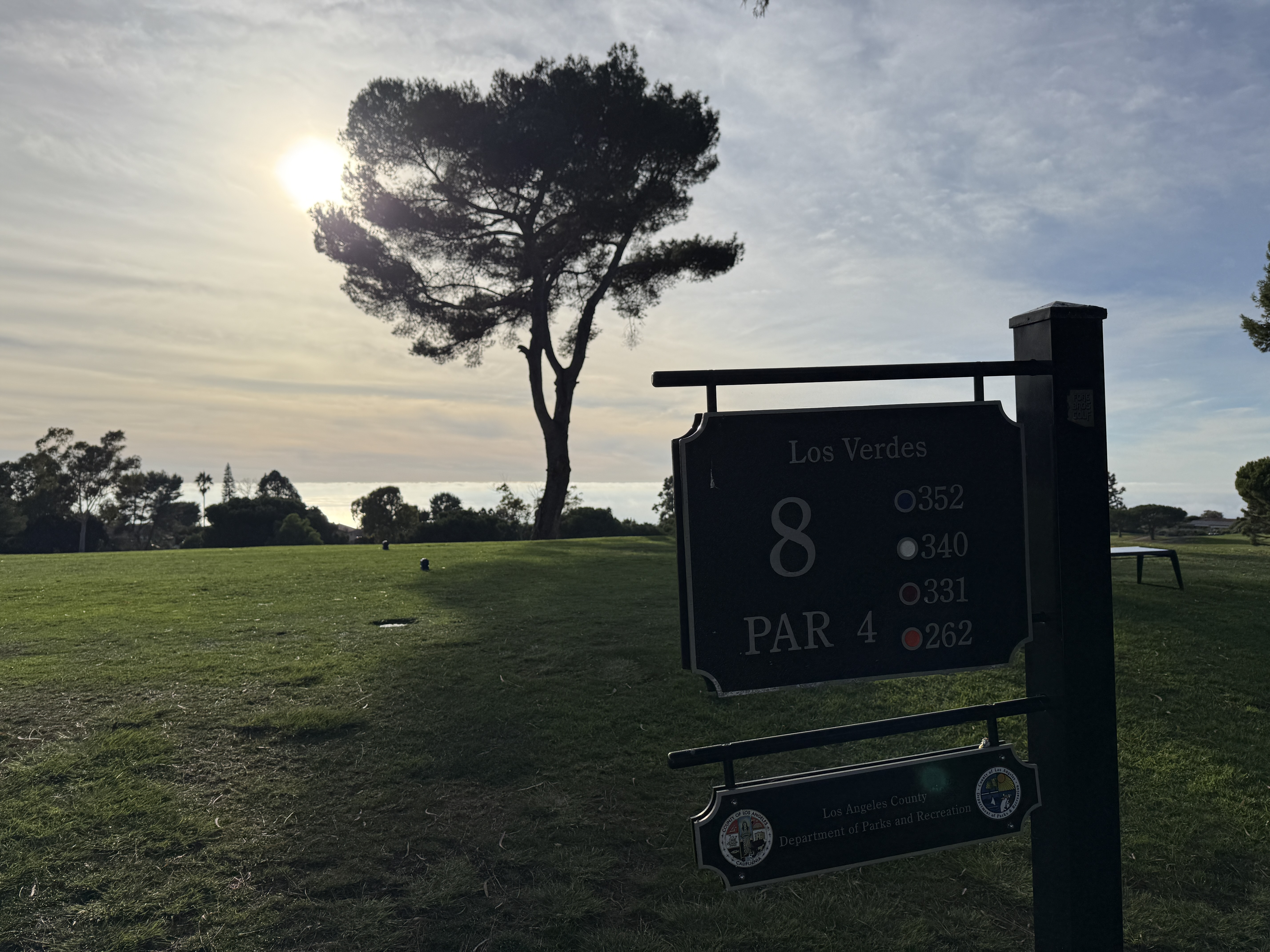
Golf Is the Perfect Jet Lag Antidote
A friend suggested golf almost as a joke. “You’ve got four hours to kill in LA, just go play nine holes.”
I did. And something clicked.
Golf is moderate, sustained movement — exactly what the body needs to recalibrate without being overloaded. You’re walking four to six kilometers over two to three hours. Your heart rate stays in a comfortable range. You’re outside in natural daylight, which is the single most powerful signal for resetting your body clock. And crucially, it’s engaging enough that you forget to feel jet-lagged.
There’s no moment on a golf course where you’re thinking about the flight you just flew or the time zone you came from. You’re thinking about the next shot. That mental reset is just as valuable as the physical one.
I started booking tee times the way other pilots book restaurant reservations — as the first thing I do after checking into the hotel.

A Sport You Can Play for the Rest of Your Life
There’s another reason golf stuck when other layover activities didn’t.
A pilot career is long. If things go well, I’ll be flying well into my late fifties. And when I hang up the wings, I’m not going to stop living — I’m just going to stop commuting to work at 40,000 feet.
Running gets harder on the knees. Gym sessions feel like work. But golf? I’ve played alongside 70-year-olds who walked 18 holes without breaking a sweat and still hit the ball cleaner than me. It’s a sport that grows with you, rewards patience, and punishes arrogance just enough to keep you humble.
For someone whose career is built around precision, procedure, and the long game — it fits.
The Clock Resets, One Round at a Time
I don’t have scientific data to back this up. But after years of layovers across a dozen time zones, I can say this: the days I play golf are the days I feel most human again.
The jet lag doesn’t disappear. But somewhere between the first tee and the 18th green, the body stops fighting and starts adjusting. The light does its work. The walk does its work. And by the time I’m back at the hotel, I’m genuinely tired in the right way — ready to sleep, ready to reset, ready to fly home.
That’s why I play golf on every layover. And why you should too.
Enjoyed this article?
Kai & Chika — the golf guides behind this site — are available as LINE stickers. Pick up a set and bring them on your next round.
🏨 Staying near Japan?
Find the best hotel deals for your golf trip.
⛳ Planning a golf trip to Japan?
I’m a Japan-based airline pilot and golfer. I offer 1-on-1 consulting to help you plan your trip and find the right gear.
Enjoyed this article?
Kai & Chika — the golf guides behind this site — are available as LINE stickers.
🎌 Get the LINE Stickers →